
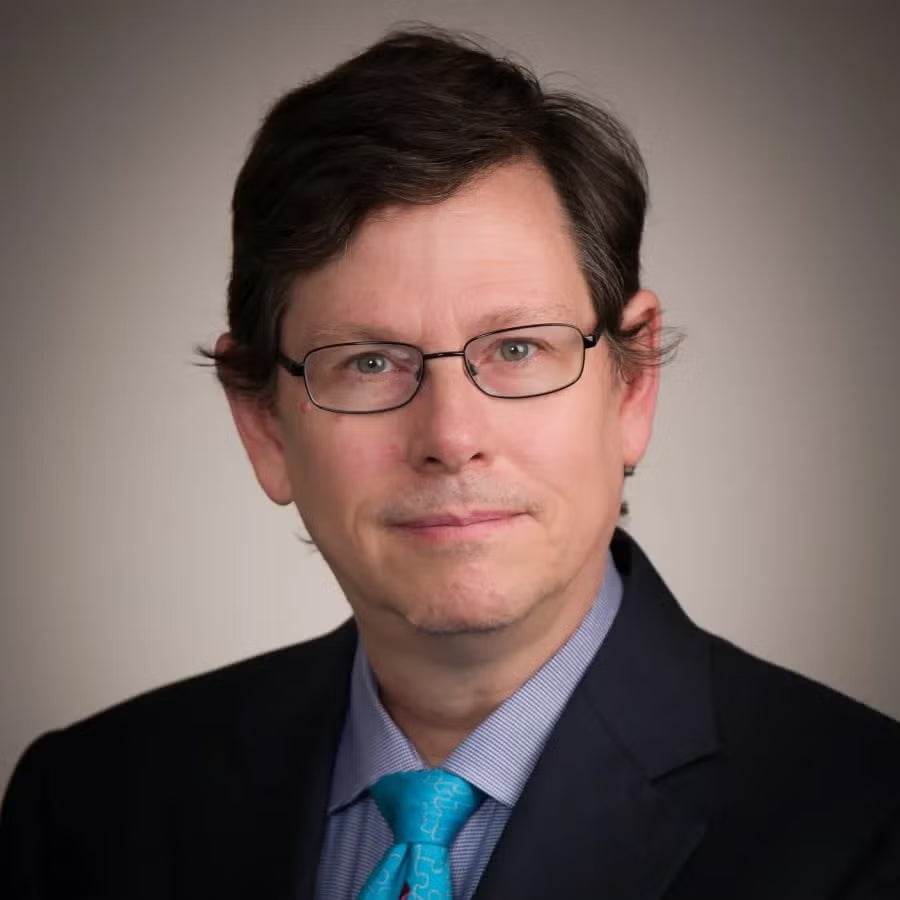
Andrew D. Ellington is an American biochemist and synthetic biologist who is a professor at the University of Texas at Austin. Ellington is best known for his work on in vitro selection techniques and is credited with coining the term "aptamer" to describe nucleic acid molecules that bind specific targets.
Science Short videos featuring Dr. Ellington
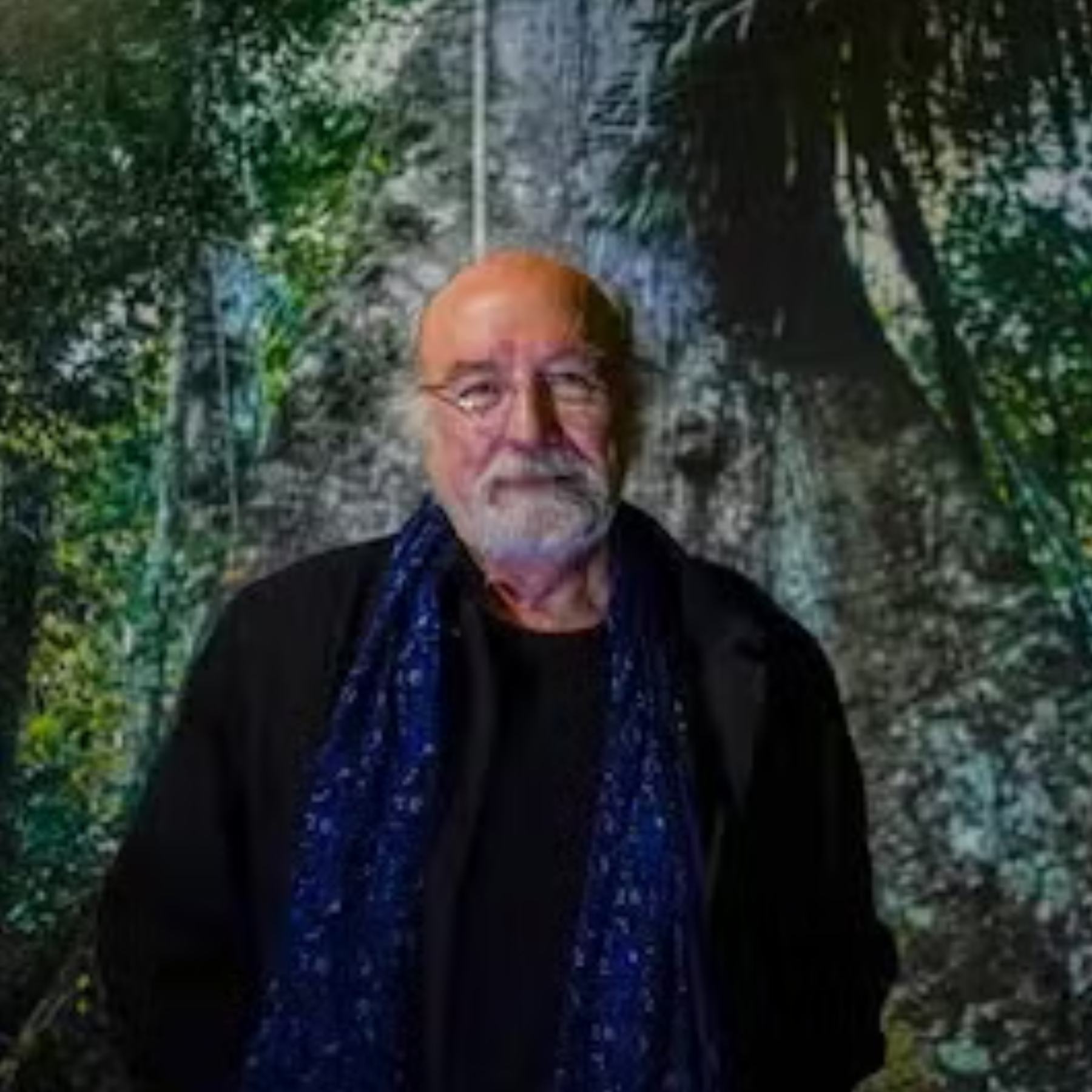
Juan Manuel Garcia-Ruiz (Seville, 1953) is an interdisciplinary scientist who has dedicated his career to the study of crystallization phenomena across various fields, including the formation of giant crystals, self-organization in biological and geological structures with implications for the origin of life, the detection of primitive life, and the development of new materials.
Science Short video featuring Dr. Garcia-Ruiz
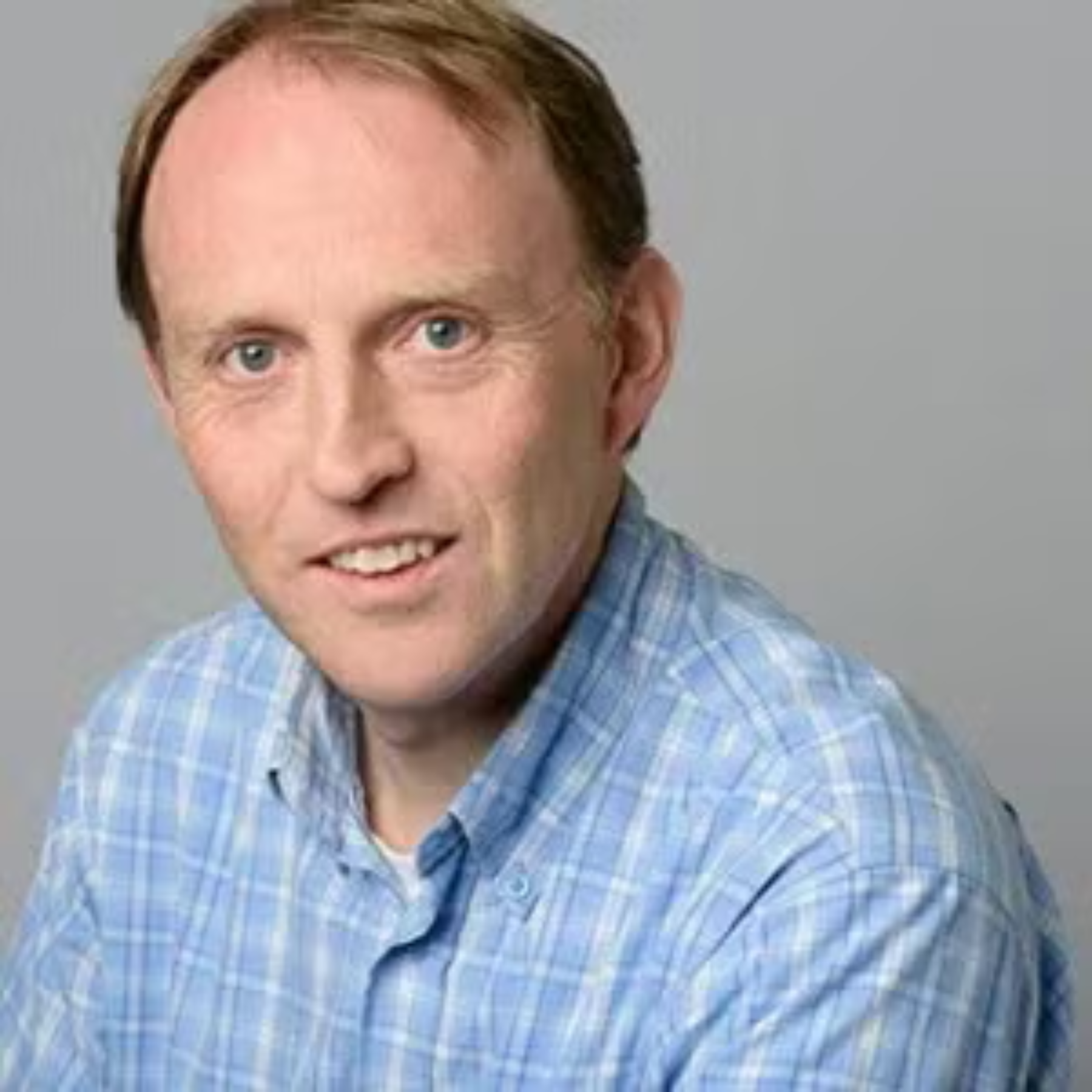
Sijbren Otto (Groningen, 3 August 1971) is Professor of Systems chemistry at the Stratingh Institute for Chemistry, University of Groningen. The research conducted by Otto and his research group is focused on various fields, varying from the origin of life (self-replicating systems and the Darwinian evolution thereof), to materials chemistry (self-synthesizing fibres, hydrogels and nanoparticle surfaces).
Science Short video featuring Dr. Otto
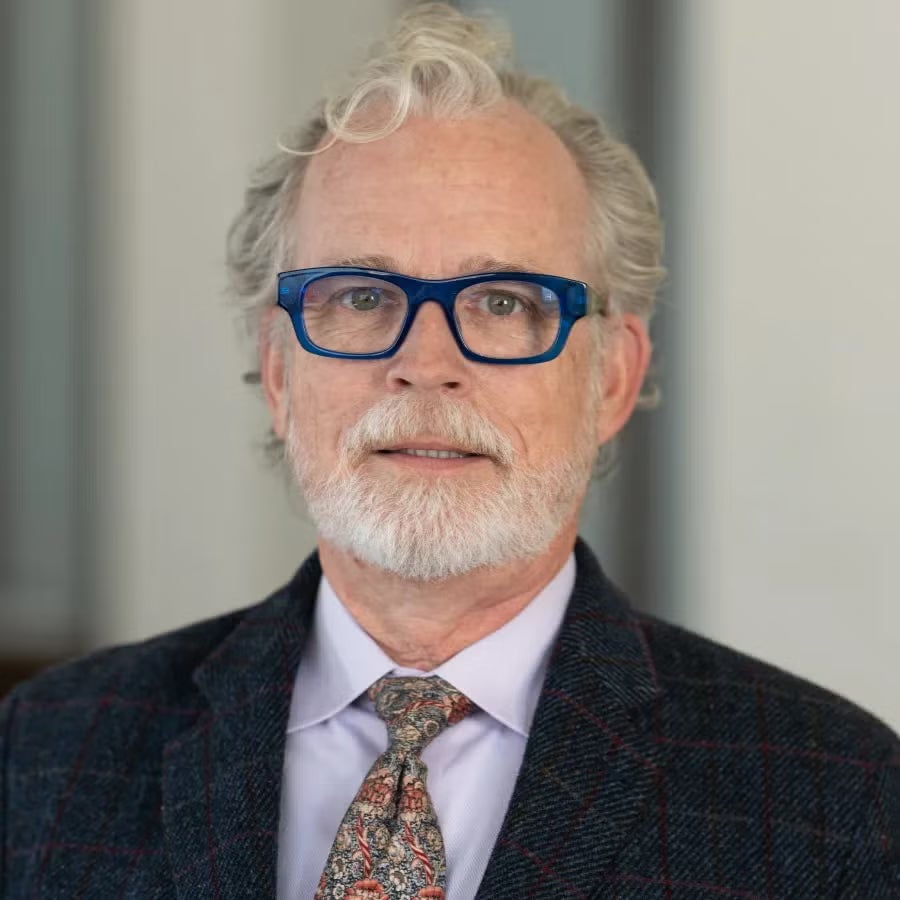
Eric V. Anslyn is an American chemist, University Distinguished Teaching Professor, and Welch Regents Chair in Chemistry at the University of Texas at Austin. His group has generated a suite of reactions that can all occur simultaneously in the same solution with no crossover, which we refer to as Tunable Orthogonal Reversible Covalent (TORC) bonds. These TORC bonds are exploited reactions for material applications, polymer synthesis, complex assembly formation, and self-replicating oligomers.
Science Short video featuring Dr. Anslyn
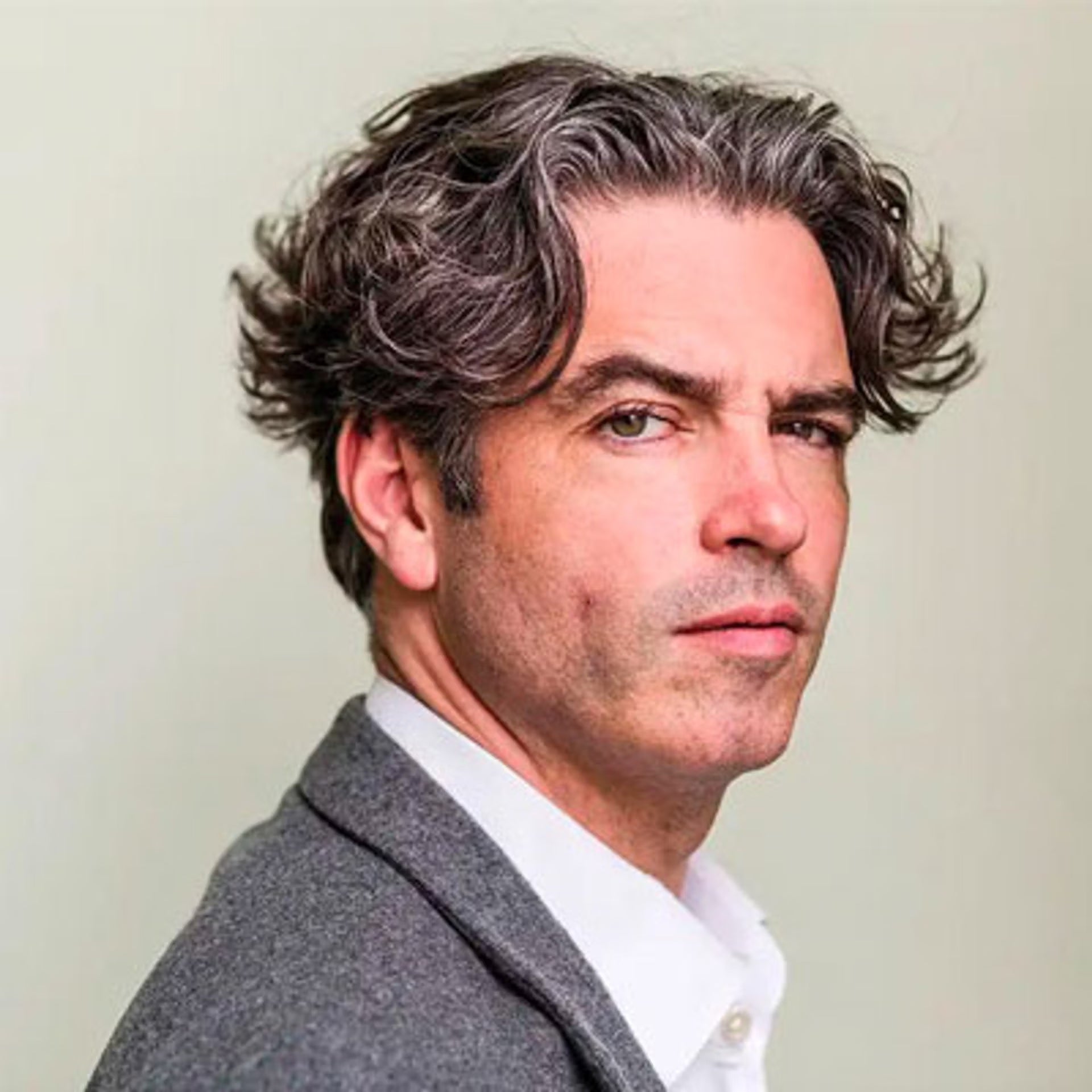
Lee Cronin (United Kingdom) is the Regius Chair of Chemistry at the Advanced Research Centre (ARC) at the University of Glasgow. He has one of the largest multidisciplinary chemistry-based research teams in the world. He and his team are trying to make artificial life forms, find alien life, explore the digitization of chemistry, understand how information can be encoded into chemicals and construct chemical computers.
Science Short videos featuring Dr. Cronin
Steven Albert Benner is an American chemist. Benner and his colleagues were the first to synthesize a gene, beginning the field of synthetic biology. He is interested in the origin of life and the chemical conditions and processes needed to produce RNA. Benner has worked with NASA to develop detectors for alien genetic materials, using the definition of life developed by the NASA Exobiology Discipline Working Group in 1992, “a self-sustaining chemical system capable of Darwinian evolution.”
Science Short video featuring Dr. Benner

Oliver Trapp (Germany) is a Professor of Organic Chemistry (W3) at Ludwig-Maximilians-Universität München. His research interests are design and synthesis of self-amplifying enantioselective catalysts, design and synthesis of stereochemically flexible ligands and catalysts and investigation of their properties, and prebiotic chemistry, high-throughput screening of catalysts, high-throughput determination of kinetic and thermodynamic parameters of catalyzed reactions, and development of novel multiplexing techniques for high-throughput analysis of catalytic reactions.
Science Short video featuring Dr. Trapp

Leonard J. Prins (Netherlands) is Professor of Organic Chemistry at the Department of Chemical Sciences at the University of Padua, Italy. He began his independent career in Padua in 2004. He was awarded the Backer Prize by the Royal Netherlands Chemical Society in 2001 and the Ciamician Medal by the Italian Chemical Society in 2009. His current research interest is in the development of synthetic chemical systems that operate under non-equilibrium conditions.
Science Short video featuring Dr. Prins
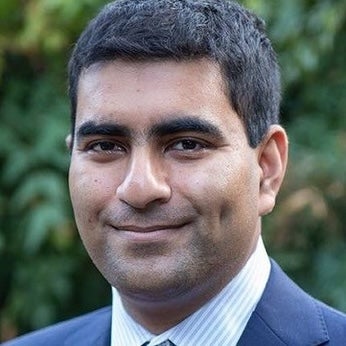
Sukrit Ranjan is a theorist and modeler at The University of Arizona focused on questions related to the origin of life on Earth and the search for life on other worlds. These questions are coupled: efforts to understand the origin of life on Earth help guide our search for it elsewhere in the cosmos, while observations of other planets help us test our theories of the prebiotic environment and of abiogenesis. To understand abiogenesis, he works to constrain the palette of environmental conditions from which life arose on Earth, to guide experimental studies of the origin of life. He works to identify observational tests that can remotely distinguish signs of life on other worlds. In collaboration with experimental colleagues, he also obtains the critical measurements of fundamental physico‑chemical parameters needed to build robust models that support both goals.